
Montenegrin Wine and Food Pairings: A Guide to the Table
Montenegrin cuisine sits at a crossroads: Adriatic seafood and olive oil on the coast, smoked meats and mountain cheeses inland, and a wine tradition that has developed alongside both for over two thousand years. At Radevic Estate, a family-run winery near Podgorica, every wine in the portfolio was built with a specific plate in mind, because in Montenegro, wine and food were never meant to be separated. This guide covers the country's defining dishes, the pairing logic behind each one, and exactly which Radevic wine to reach for. é
Quick Pairing Guide
Pršut (Njeguški smoked ham): 2017 Syrah, whose dark fruit and gentle spice stand up to the ham's smoke without overpowering it
Njeguški sir (mountain sheep's cheese): 2018 Chardonnay Dry, whose bright acidity cuts through the cheese's richness and salinity
Ćevapi (grilled minced-meat rolls): 2017 Syrah, whose char and garlic notes echo the wine's own peppery, smoky character
Grilled lamb: 2017 Syrah, or 2018 Chardonnay Dry for lighter, herb-roasted preparations
Fresh Adriatic seafood: 2018 Rosé, whose crisp acidity and delicate fruit were built for shellfish and grilled fish
Local sweets and pastries (priganice, honey desserts): Renée White Fortified Dessert Wine, whose honeysuckle and baked-fruit notes mirror the dessert course rather than compete with it
The Coast Meets the Mountains: Why Montenegrin Food Is Hard to Pair
Most wine-and-food guides assume a single culinary tradition. Montenegro doesn't have one. The Adriatic coastline produces some of the freshest seafood in the Mediterranean, while the mountainous interior, where Radevic Estate's vineyards sit near the historic village of Rogami, has a food culture built on smoked, cured, and aged products designed to survive a winter. A wine list that only accounts for one half of that equation will fail at half the table. That's the reason Radevic Estate produces both a crisp Rosé built for the coast and a structured Syrah built for the mountains, rather than specializing in one direction.
Pršut and Njeguški Sir: The Mountain Standard
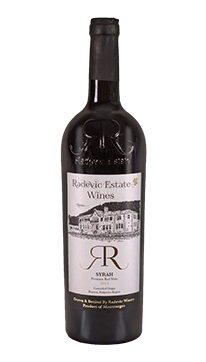
What wine pairs with Njeguški pršut? A medium-bodied red with enough fruit to match the ham's smoke but not so much tannin that it fights the salt. Radevic's 2017 Syrah is built for exactly this.
Njeguški pršut, the dry-cured, beechwood-smoked ham from the village of Njeguši in the Lovćen mountains, is arguably Montenegro's most recognized culinary export, and it's almost always served alongside Njeguški sir, a semi-hard sheep's-milk cheese aged in the same region. For a deeper dive into how and where these products are made, Montenegro.com's guide to Njeguši is a good starting point.
The pairing logic: pršut's smoke and salt call for a red with dark fruit and a touch of spice rather than heavy tannin, which is why the 2017 Syrah, with its notes of dark fruit, sage, rosemary, and cocoa dust, works better here than a bigger Cabernet Sauvignon would. Njeguški sir, on the other hand, is better matched to white wine. Its richness and tang need acidity to reset the palate, which is exactly what the 2018 Chardonnay Dry provides, with its bright apple, pear, and acacia character cutting cleanly through the cheese's fat.
Ćevapi and Grilled Meats
What's the best wine with ćevapi? The 2017 Syrah again: the dish's char and garlic notes are a natural match for the wine's own smoky, peppery profile.
Ćevapi, small grilled rolls of minced meat served with flatbread, raw onion, and often kajmak, is a staple across Montenegro and the wider Balkans. It's a simple, high-heat, high-fat dish, and it wants a wine with enough structure to stand up to the char without introducing bitterness. Radevic's Syrah, aged to develop layers of dark fruit intermingled with sage and clove, does that job: the wine's own smoky edge doesn't compete with the grill, it echoes it.
Lamb, the Centerpiece of the Montenegrin Table
What wine pairs with Montenegrin lamb? For grilled or spit-roasted lamb, reach for the 2017 Syrah; for lighter, herb-forward preparations, the 2018 Chardonnay Dry is the better match.
Lamb, whether spit-roasted whole for a celebration or grilled in smaller cuts, is central to Montenegrin cooking, particularly in the mountain interior. A heavily seasoned, fattier preparation calls for the tannin and dark-fruit weight of the Syrah, which can stand up to the meat's richness. A lighter preparation, seasoned mainly with rosemary and olive oil, is better served by a wine that won't overwhelm it. The Chardonnay Dry's acidity and stone-fruit notes work well here without competing with the herbs.
Fresh Seafood from the Adriatic
What wine pairs with Montenegrin seafood? The 2018 Rosé: its crisp acidity and delicate red-fruit character were designed for shellfish and grilled white fish.
Along Montenegro's coast, the food culture shifts entirely: grilled fish, shellfish, octopus salad, and dishes built on olive oil and citrus rather than smoke and salt. This is where Radevic's 2018 Rosé, made solely from Syrah grapes and macerated just long enough to develop its signature rich color, does its best work. The wine's crisp, bright profile is built for exactly this kind of lighter, coastal fare. It's a useful reminder that even an estate rooted in the mountains near ancient Duklija is producing wine for the whole country's table, not just its own region.
Dessert Wine and the Local Sweet Table
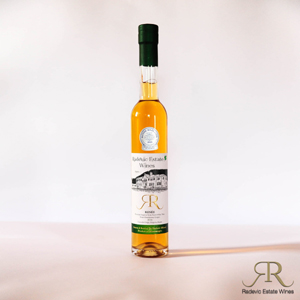
What wine goes with Montenegrin desserts? Renée White Fortified Dessert Wine, Radevic Estate's most decorated wine, was built specifically for this course.
Montenegrin sweets, including priganice (fried dough drizzled with honey), preserves, and pastries built on local fruit, tend to be honey-forward rather than heavily chocolate-based, which makes them a natural match for the estate's Renée White Fortified Dessert Wine. A late-harvest Chardonnay-based fortified white wine, it carries notes of honeysuckle and just-baked fruit, with ripe apricot and mango wrapped in a honey-brioche finish. Rather than competing with a honeyed dessert, it extends the same flavor profile through the final course. It's also, on its own, one of the estate's most internationally recognized wines, a detail worth its own dedicated feature elsewhere on this site.
Why These Pairings Work: The Underlying Principle
The pattern across all of the above is consistent: match weight to weight, and let acidity or tannin do the work that contrast is supposed to do. Smoked and cured foods want a red with dark fruit rather than heavy tannin. Rich or fatty foods, like cheese and lamb, want a wine with enough acidity to cut through. Light, delicate foods, like fresh seafood, want a wine that won't overpower them. And dessert wants a wine that mirrors its sweetness rather than fighting it. It's the same logic that guides pairing decisions anywhere in the world; what makes the Montenegrin table distinct is simply the range of foods a single wine list has to cover, from smoked mountain ham to fresh Adriatic catch.
Frequently Asked Questions
What's the most versatile Montenegrin wine for pairing with a mixed spread of dishes? The 2017 Syrah is the safest choice for a table that mixes pršut, ćevapi, and grilled lamb, since its dark fruit and moderate structure work across most smoked and grilled dishes without overwhelming any one of them.
Does Montenegrin food pair better with red or white wine overall? It depends on the region the dish comes from. Mountain dishes like pršut and Njeguški sir lean toward red and crisp white respectively, while coastal seafood dishes favor lighter whites and rosé. Montenegro's split geography is exactly why no single wine works for the whole table.
What wine should I serve with a Montenegrin cheese board? A cheese board built around Njeguški sir pairs best with a dry white like the 2018 Chardonnay Dry, whose acidity cuts through the cheese's richness. If the board includes cured meats too, add a lighter red like the Syrah alongside it.
Is Renée White Fortified Dessert Wine too sweet to pair with anything but dessert? No. While it's classified as a dessert wine, its balanced sweetness also works well with savory, rich foods like foie gras or sharp cheeses, not just traditional sweets.
Can I recreate these pairings outside of Montenegro? Yes, though the closest experience is tasting them where the wines and the dishes both come from. Radevic Estate's wines are produced in limited volume and can be difficult to find in retail outside Montenegro.
Taste These Pairings for Yourself
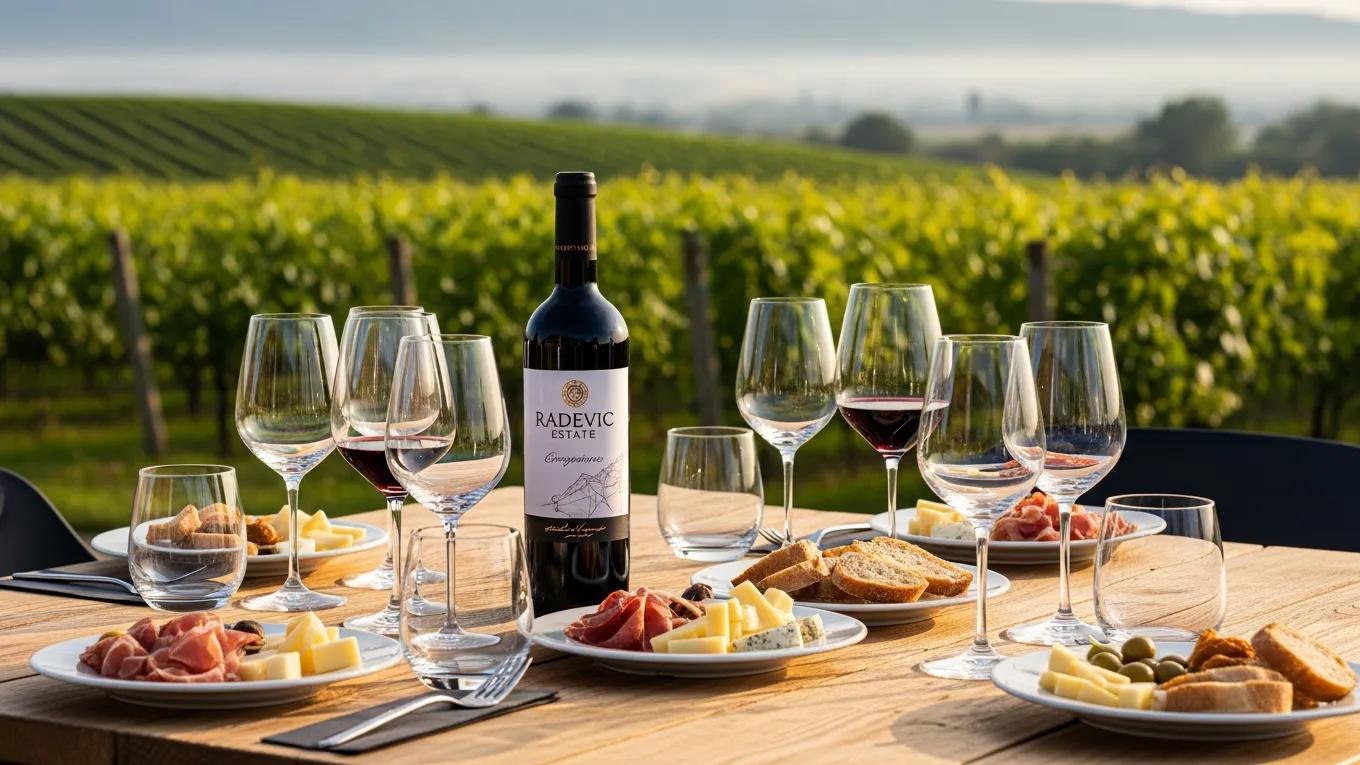
Reading about a pairing and tasting it side by side at the source are different experiences. Radevic Estate's tastings are built around exactly this kind of food-and-wine pairing, served with small bites sourced from village neighbors rather than a restaurant kitchen. If you're planning a visit, the Visit Us page has full details on booking, and our visitor FAQ guide covers what's included at each tasting tier. For more on the deeper history behind Montenegro's wine culture, including how Radevic Estate's own vineyard connects to a two-thousand-year winemaking tradition, see our complete Montenegro wine tourism guide.
Every pairing in this guide is one you can taste in person, poured exactly the way it's described here, alongside food sourced from the same village neighbors who supply the estate's kitchen. Book your tasting at Radevic Estate and taste the full lineup, from the 2018 Rosé to the Renée White Fortified Dessert Wine, guided by the family that makes them.


