
What Is Grand Renée XO? Montenegro's Only Estate-Made Cognac
If you've spent any time researching artisan spirits from Montenegro, you've likely come up empty. That's not an oversight in your search. Montenegro's wine tradition runs deep and is reasonably well documented in English, but its spirits tradition, centuries of rakija and fruit schnapps production, rarely makes it into international travel or drinks writing at all. A product like Grand Renée XO doesn't have an established category to fall into, because almost nothing like it has been written about before. Here's what it actually is, how it's made, and why the production method itself is worth knowing about even if you never visit Montenegro.
Grand Renée XO: The Basics
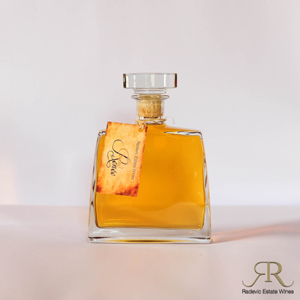
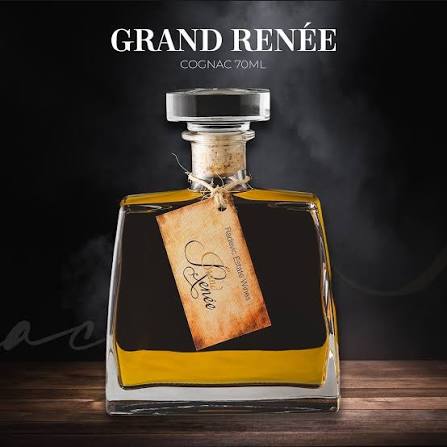
Grand Renée XO is Radevic Estate's signature aged spirit, produced in small quantities and included as part of our premium estate tasting rather than sold as a standalone retail product. It goes through two distinct aging phases that total 10 years before it's ready to pour: 8 years in American oak, followed by 2 years finishing in what's known as a Slavonian oak "egg," an ovoid-shaped aging vessel rather than a standard barrel. During that second phase, the spirit is finished with wild orange peel, mountain mint, and prunes, all sourced and foraged locally in the Rogami area rather than shipped in from elsewhere.
Why an Oak Egg Is Unusual, Not Just a Different Shape
Egg-shaped aging vessels have a real history in winemaking, but almost universally in concrete, not wood. The format traces back to a collaboration between French winemaker Michel Chapoutier and the cooperage Nomblot in the early 2000s, and it's since spread through Bordeaux, Burgundy, and New World regions like Argentina and Oregon. The appeal is specific: the rounded shape creates continuous, even fluid movement inside the vessel, which keeps lees and sediment in gentle circulation rather than settling flat the way they would in a barrel or tank. That circulation helps develop texture and integration without the added intervention of stirring each vessel by hand.
Concrete gets used for this because it's neutral. It allows the same slow, gentle oxygen exchange that oak does, called micro-oxygenation, without contributing any additional wood flavor. That's the whole point of a concrete egg: shape without flavor.
An oak egg inverts that logic. You get the fluid dynamics of the egg shape, the even circulation and consistent contact, but combined with genuine wood character rather than neutrality. And the wood in question, Slavonian oak, is chosen specifically because it's the most restrained option available. It has a coarser grain than French or American oak and imparts far more subtle aromatics, which is exactly why it's the traditional choice for aging Italian wines like Barolo and Amarone, styles where winemakers want the slow softening effect of oak without piling on additional flavor. Finishing Grand Renée XO in a Slavonian oak egg for its final 2 years means the spirit keeps developing and integrating, without picking up the more assertive character a fresh American or French oak vessel would add on top of what it already absorbed during its first 8 years.
The Two-Stage Aging Logic
The reason this spirit ages in two different oaks rather than one is that American oak and Slavonian oak do fundamentally different jobs.
American oak, botanically Quercus alba, is denser and carries a higher concentration of the aromatic compounds called lactones. That's what produces the strong vanilla and coconut notes associated with bourbon and many aged spirits, and it's why Grand Renée XO spends the majority of its aging life, 8 of its 10 years, in American oak. That first phase builds the spirit's foundation: sweetness, warmth, and structure drawn directly from the wood.
Slavonian oak does the opposite job. Its coarser grain and lower aromatic contribution mean it doesn't add much flavor of its own. What it does instead is let the spirit rest and round out gently, softening whatever sharper edges remain after 8 years without masking them under more wood character. Shifting Grand Renée XO into the Slavonian oak egg for its final 2 years is where the wild orange peel, mountain mint, and prunes are introduced, and because the base spirit isn't fighting against another aggressive wood influence at that stage, those botanicals have room to actually show through in the final result rather than getting buried under vanilla and oak spice.
What to Expect When Tasting It
Grand Renée XO isn't served on its own as a separate purchase, and it isn't the first thing poured during a visit. It's presented as the final stage of our premium estate tasting, after the wine portion, so guests taste it with the vanilla and oak structure from the American oak years already established as a baseline, then experience how the orange peel, mountain mint, and prune finishing built on top of that foundation. Expect a warm, spiced character up front from the orange peel and mint, with a rounder, fruit-driven sweetness from the prunes underneath, and a long finish shaped by a full decade of oak contact across two very different wood types.
Where This Fits in Montenegro's Spirits Tradition
Rakija and fruit schnapps have been part of Montenegrin hospitality for generations, typically produced at a household or small-batch level and rarely aged for anything close to a decade. Most rakija is consumed within a year or two of distillation. Grand Renée XO's extended, two-phase aging process is closer in spirit to how Cognac and Armagnac are traditionally produced in France, long aging in successive oak vessels, than to the faster household rakija tradition it emerged alongside. That's part of what makes it difficult to categorize: it draws on a long-aging philosophy more associated with French brandy production, applied to a spirit rooted entirely in Montenegrin ingredients and family tradition. If you want the fuller picture of that household rakija and schnapps tradition on its own terms, separate from this particular product, that's covered in our guide to Montenegrin rakija and fruit schnapps.
Frequently Asked Questions
Can I buy a bottle of Grand Renée XO to take home? Availability varies by vintage given the small production volume and the 10-year aging commitment involved. Ask directly during your visit or when booking.
Is it served to every visitor, or only on certain tasting tiers? It's included specifically in the premium estate tasting. Ask when booking if you want to confirm it's part of the tier you're reserving.
How is it different from a standard rakija or schnapps? Household rakija and schnapps are typically consumed within a year or two of distillation. Grand Renée XO ages for a full decade across two different oak types before it's finished with fruit and herbal botanicals, a much longer and more deliberate process than a typical household spirit.
Visiting for the Full Experience
Grand Renée XO is best understood in person rather than described secondhand. Tastings are by appointment, groups of two to ten, running 10am to 8pm, February through December. Book through our Visit Us page, or read our complete Montenegro wine tourism guide for how a Grand Renée XO tasting fits into a broader estate visit or regional itinerary.


