
Organic Winemaking in Montenegro: How Radevic Estate Farms Differently
Montenegro's wine industry is dominated by a single producer. Plantaze manages 2,310 hectares of vineyards in Cemovsko Polje, producing over 17 million bottles per year and representing the vast majority of the country's commercial wine output. That scale requires industrial efficiency: mechanized harvesting, volume-optimized yields, and the standardized processes that industrial winemaking demands. The result is wine that reaches over 35 countries and has put Montenegro on the map internationally, which is genuinely valuable. But it is not the only way to farm these soils.
Radevic Estate occupies a different position. On the same Zeta River plain, five minutes from the Roman ruins of Doclea, the Radevic family has farmed its vineyard using an ancestral sustainable approach that prioritizes the quality of each individual vine over the volume of the total harvest. This article explains what that approach involves in specific terms, why it matters in the context of Montenegrin viticulture, and what the commitment to farming differently means for the wines visitors taste when they come to the estate.
The Context: Why Sustainable Viticulture Matters in Montenegro
In a wine country where one producer accounts for the vast majority of output, the choice made by small estates to farm sustainably is not just a philosophical position. It is a deliberate alternative model for what Montenegrin wine can be.
Industrial viticulture optimizes for consistency and volume. That means higher yields per vine, mechanized processes that reduce labor costs, and standardized intervention in the cellar to ensure every vintage meets export specifications. Nothing about this is dishonest. It produces reliable, sometimes excellent wine at scale and it has built Montenegro's international reputation.
What it tends not to produce is the kind of site-specific wine that reflects the exact character of a particular hillside, a particular family's decisions, and a particular philosophy of farming. That specificity is what makes boutique estate wines interesting to a growing segment of wine tourists worldwide, and it is what draws visitors to make a deliberate journey to Rogami rather than simply buying Montenegrin wine at a restaurant in Kotor.
The broader context for organic and sustainable viticulture as a global movement is well documented by organizations including IFOAM Organics International and the Organisation Internationale de la Vigne et du Vin, which has developed specific standards for organic wine production. Montenegro's wine renaissance since 2007 has included a growing number of small producers moving toward organic and sustainable practices, a trend that aligns with the country's broader positioning as an ecological destination.
What Radevic Estate Actually Does Differently
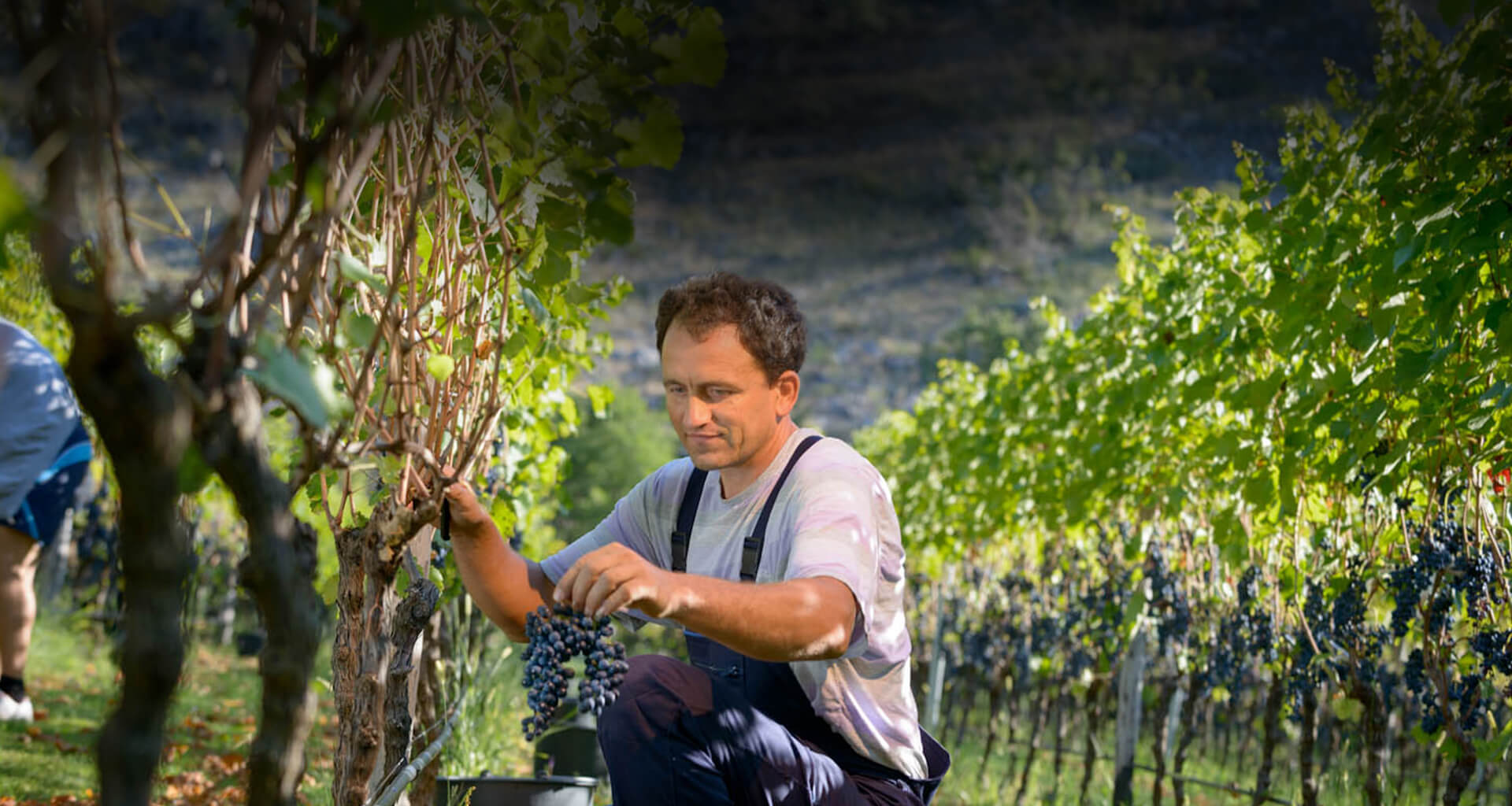
Radevic Estate's approach to viticulture involves one cluster per vine, 100% hand harvesting, hand de-stemming of individual bunches, fully estate-grown fruit, and a ripeness philosophy that prioritizes sensory assessment over purely technical metrics.
The table below compares the estate's specific practices against the industrial standard across the key decisions that define how a vineyard is farmed:
Yield Management
Industrial standard: maximum yield per vine optimized for volume.
At Radevic Estate: fruit growth is intentionally restricted to one cluster per vine to maximize flavor concentration in each bunch.
Harvesting
Industrial standard: machine harvesting at scale.
At Radevic Estate: every grape is hand-picked, allowing pickers to select individual bunches at precise ripeness rather than harvesting an entire block in a single pass.
Processing
Industrial standard: mechanical de-stemming.
At Radevic Estate: individual bunches are meticulously hand de-stemmed prior to fermentation, giving the winemaker precise control over what enters the fermentation vessel.
Fruit Sourcing
Industrial standard: grapes sourced from contracted growers or purchased externally.
At Radevic Estate: every vine is managed directly by the Radevic family and all fruit is 100% estate-grown.
Ripeness Decisions
Industrial standard: technology-led assessment using Brix meters and laboratory analysis.
At Radevic Estate: modern analytical tools are combined with the traditional old-world practice of fruit-on-the-vine sensory assessment to determine the precise moment to pick.
Byproducts and Estate Ecosystem
Industrial standard: pomace is disposed of or sold.
At Radevic Estate: the farming philosophy extends across the full estate ecosystem: beehives produce honey used in the estate's pomegranate liqueur, and organic fruit orchards supply the plum, quince, apple, and pear used in the estate's schnapps range. Every product on the estate is grown and managed as part of a single integrated agricultural system.
One Cluster Per Vine
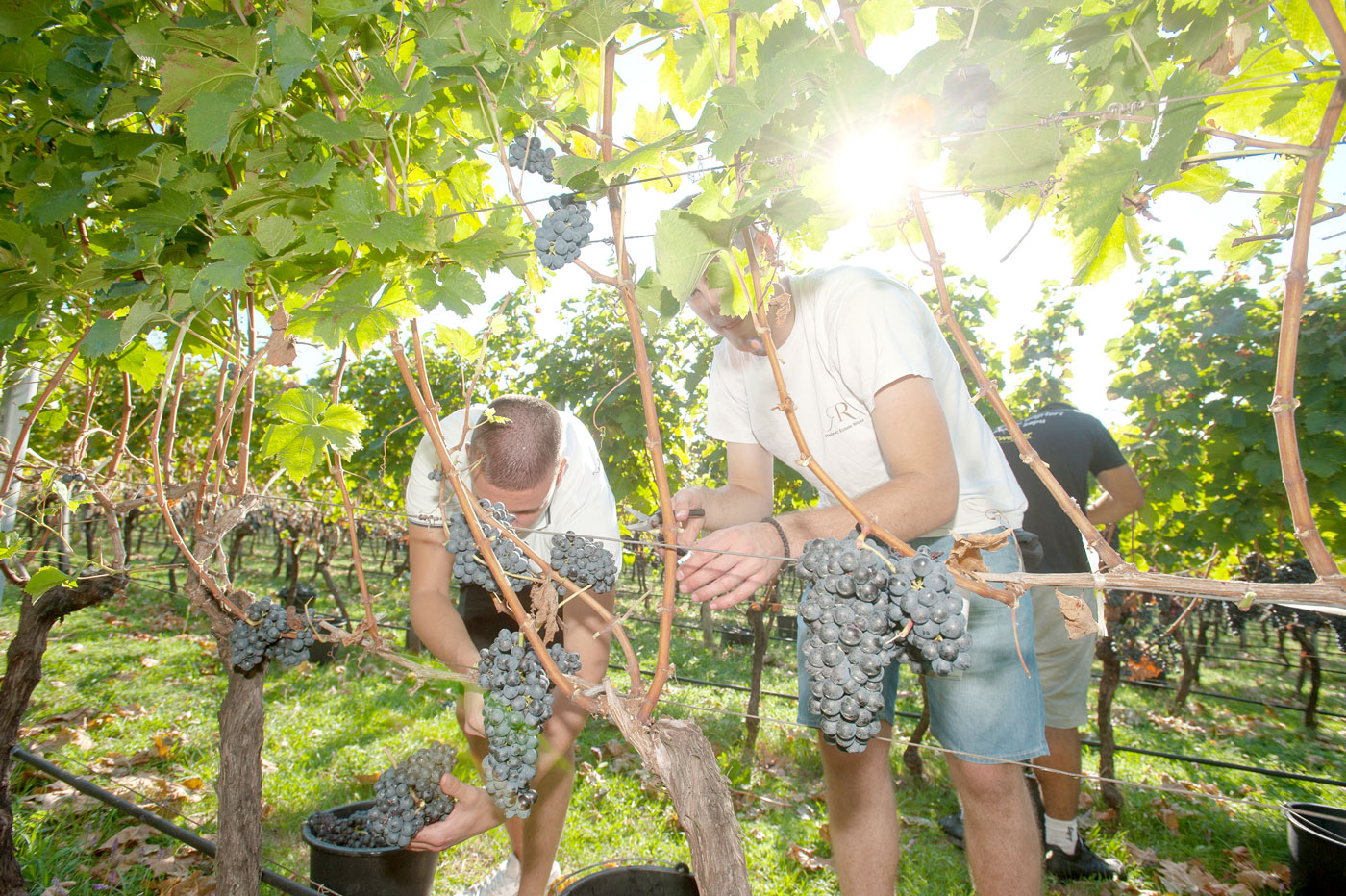
This is the most consequential single decision on the estate and the one that most directly affects what ends up in the glass. Restricting fruit growth to one cluster per vine dramatically reduces the total harvest volume compared to a commercially optimized vineyard, but it forces the vine to concentrate all of its energy into a single bunch. The result is more intense, more complex fruit with greater flavor depth than a vine producing three or four clusters can typically achieve. The estate describes this explicitly as costly but necessary for maximum flavor potential. It is the kind of decision that a family making wine for quality makes, and that an operation making wine for volume cannot afford.
Hand Harvesting and the Timing of Picking
Every grape at Radevic Estate is hand-picked. At the scale of a small family estate this is labor-intensive but allows pickers to select individual bunches at precise ripeness rather than harvesting an entire block at a single pass. The estate's ripeness philosophy combines modern analytical tools with the traditional fruit-on-the-vine assessment that has guided winemaking in this region for centuries: the vine itself, not just the laboratory, determines when to pick.
Once picked, the fruit moves to the winery immediately. Speed between vine and winery is a quality decision: oxidation and temperature rise begin the moment a grape is separated from the vine, and the faster the fruit arrives at controlled conditions, the greater the aromatic and structural integrity of the resulting wine.
Hand De-Stemming of Individual Bunches
After harvest, the estate performs meticulous hand de-stemming of individual bunches before fermentation rather than using mechanical de-stemmers. Stems contain tannins and green vegetal compounds that can introduce harshness and herbaceous notes into the wine if they are fermented with the fruit. Hand removal of stems from individual bunches gives the winemaker precise control over what enters the fermentation vessel, which directly affects the texture and elegance of the finished wine.
The Estate Ecosystem
The organic philosophy at Radevic extends beyond the vineyard rows. The estate maintains beehives whose honey is used in the production of the estate's pomegranate liqueur, connecting the agricultural ecosystem to the product range in a way that reflects genuine integration rather than a marketing claim. The fruit used in the estate's schnapps range, including plum, quince, apple, and pear brandies, is organically grown on the estate. The pomegranate trees that supply the liqueur are also organically farmed and estate-grown. This full-ecosystem approach, where bees, fruit trees, and vines coexist on the same land, is characteristic of traditional sustainable farming in this region and is directly connected to the character of the products in the estate's full range.
What This Means for the Wines
The farming decisions made in the vineyard show up directly in the glass. One cluster per vine, hand harvesting, and careful processing produce wines with greater concentration, complexity, and site-specific character than volume-optimized viticulture typically achieves.
The connection between vineyard practice and wine quality is not theoretical. When a vine produces one cluster instead of four, the sugars, phenolic compounds, and flavor precursors that would have been distributed across four bunches are concentrated into one. The resulting wine has greater depth of flavor, more defined structure, and a longer finish than its yield-maximized equivalent. This is why the most respected wines in the world's established regions almost universally come from low-yielding vineyards.
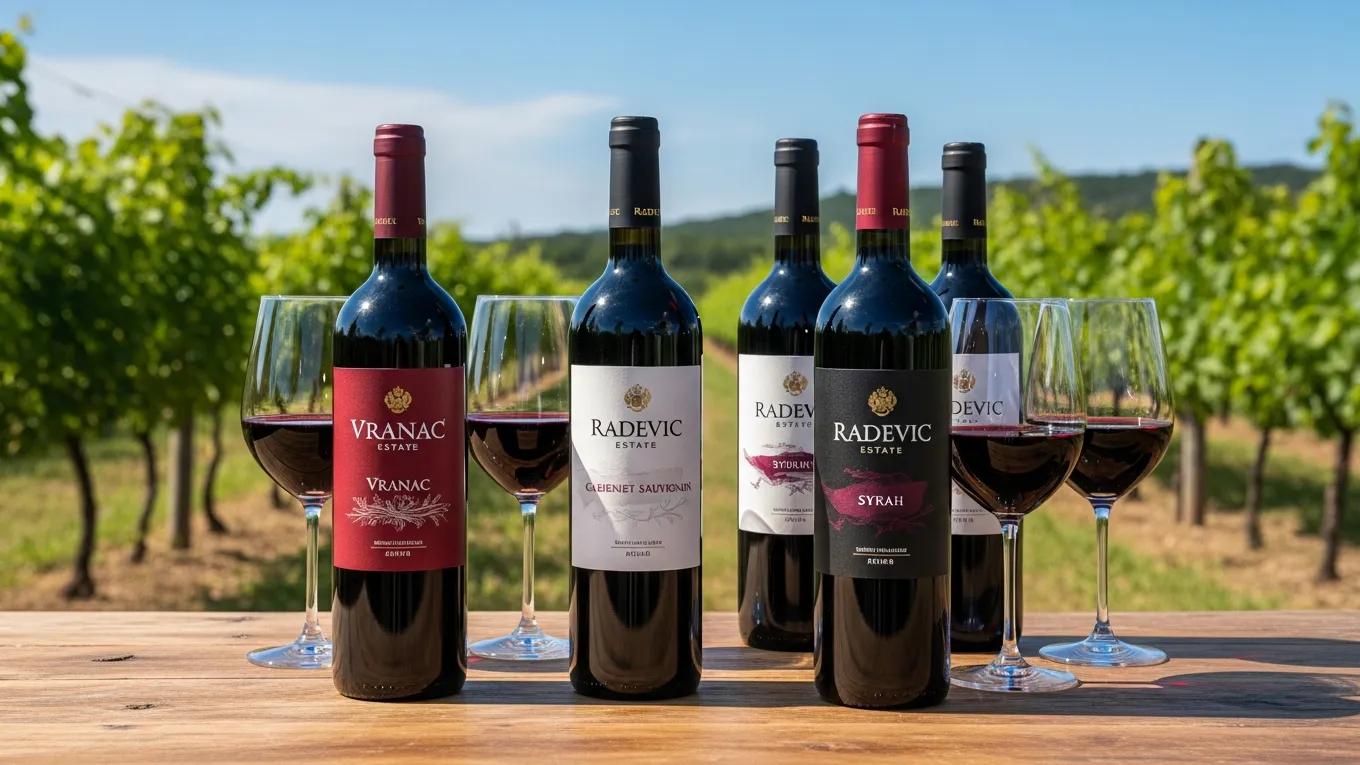
At Radevic Estate, the primary expression of this philosophy is the Vranac, Montenegro's indigenous flagship variety. Vranac is already a naturally powerful grape with high tannin, deep color, and intense dark fruit. When grown to one cluster per vine and harvested by hand at precise ripeness, it produces wines of remarkable structure and longevity. The estate's award-winning Vranac has been recognized at multiple international competitions, including a Bronze Medal at the 2020 China Wine Competition, which validates the approach in objective terms. The full wine range, including the internationally awarded Renee White Port, reflects this philosophy across every product the estate makes.
The Renee White Port, made from late-harvest Chardonnay, provides a particularly clear illustration of how careful farming translates to a finished product. Silver medal winner at the Monde Selection International Wine Competition for three consecutive vintages, it is a wine that could only come from a producer paying this level of attention to each individual vine. Late-harvest wines require precise timing of picking that machine harvesting and yield-optimized viticulture cannot provide.
Visiting Radevic Estate as a Sustainable Wine Tourist
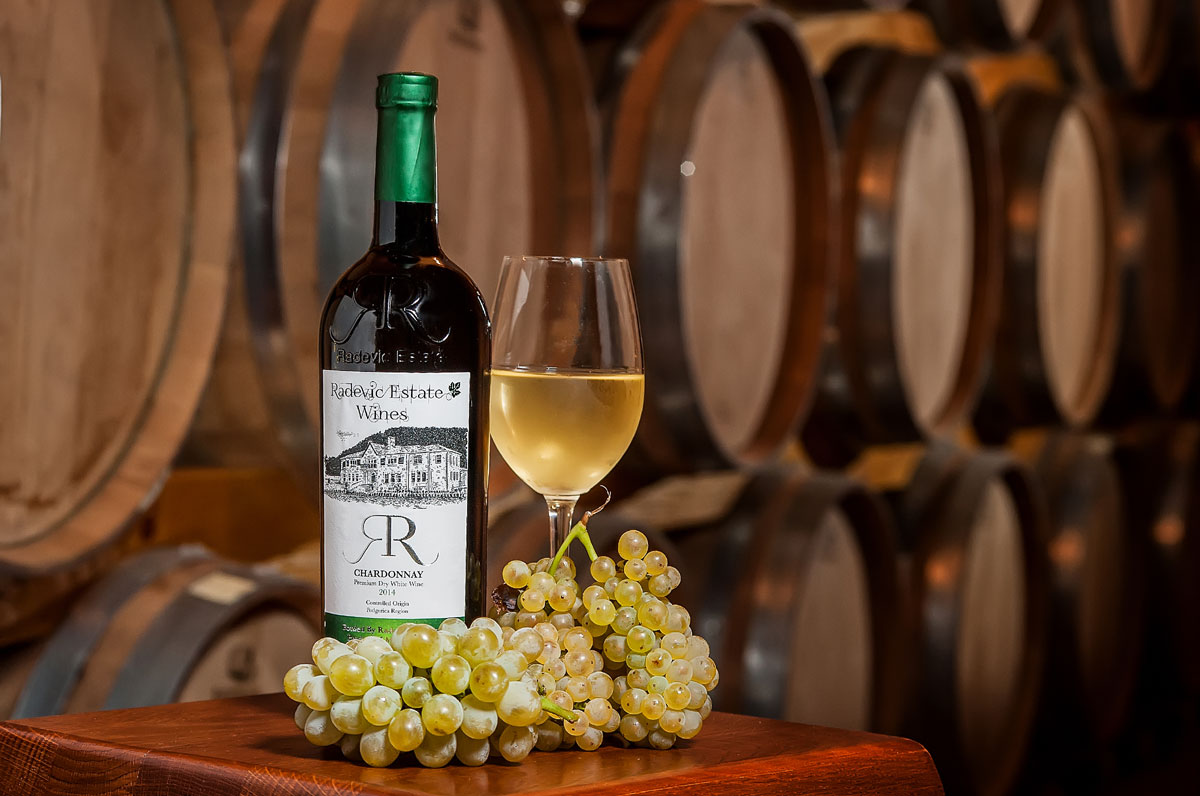
The estate visit at Radevic is the most direct way to understand the connection between these farming decisions and the wines in the glass. The winery tour covers the vineyard, the cellar, and the winemaking approach before the tasting begins.
A growing number of wine tourists travel specifically to visit producers whose values align with their own. For travelers who seek out organic and sustainably farmed estates, the challenge in Montenegro has historically been a lack of English-language information about which producers operate this way. Radevic Estate fills that gap: a family estate with a documented ancestral sustainable approach, fully estate-grown fruit, organic farming of all non-vine products, and a winemaking philosophy built around quality over volume.
The full estate experience, at 50 EUR per person, includes a tour of the vineyard and winery where the farming practices described in this article are visible and explained in context. Seeing the one-cluster-per-vine approach in the vineyard, then tasting the wine that results from it twenty minutes later, makes the connection between philosophy and glass immediately tangible. Visit details, booking information, and seasonal guidance are covered in the complete visitor guide. Radevic Estate is 10 minutes from central Podgorica, in the village of Rogami, and is open by appointment only from February through December.
For visitors planning a broader itinerary that combines sustainable wine tourism with Montenegro's other distinctive offerings, the Montenegro wine tourism guide covers the full regional context and explains how Radevic Estate sits within it.
Visit Radevic Estate
Open by appointment, Monday through Sunday, 10am to 8pm, February through December. Groups of 2 to 10. Book through the Visit Us page at radevicestate.com, by calling +382-69-276-055, or by emailing [email protected]. Get directions to Rogami-Piperi bb, 81000 Podgorica, Montenegro.


